
HACCP
Hazard Analysis and Critical Control Points — the foundational food safety framework, originally developed for NASA's space programme, that identifies and controls biological, chemical and physical hazards at critical points in production.
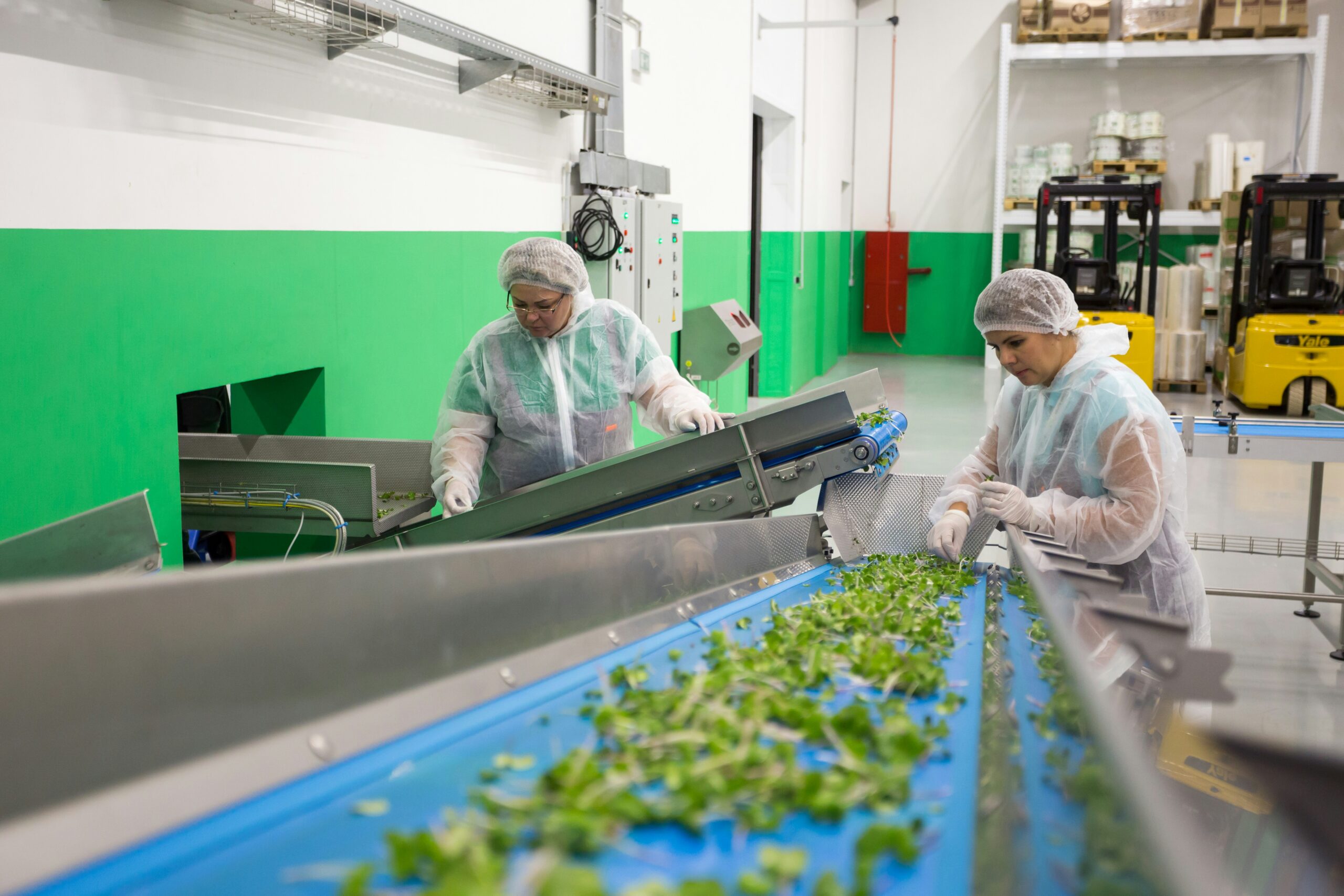
HACCP is the foundational methodology behind nearly every modern food safety scheme. It requires identifying every point in your production process where a hazard could be introduced, then putting specific, monitored controls in place at each of those critical points — turning food safety from a general policy into a documented, verifiable system.
Benefits of HACCP Certification.
HACCP gives you a systematic, internationally recognised way to identify and control food safety hazards before they cause harm.
Universal recognition
HACCP principles underpin nearly every major food safety scheme worldwide, making it a universally understood foundation.
Proactive hazard control
Identifies and controls hazards at critical points in production, rather than relying on end-product testing alone.
Regulatory expectation
Many food safety regulations globally expect or require HACCP-based systems as a baseline.