
GMP Certification
Good Manufacturing Practice (GMP), together with Good Hygiene Practice (GHP), sets the baseline hygiene and process-control requirements for facilities producing food, feed or related products — the foundation that most higher-tier food safety schemes are built on top of.
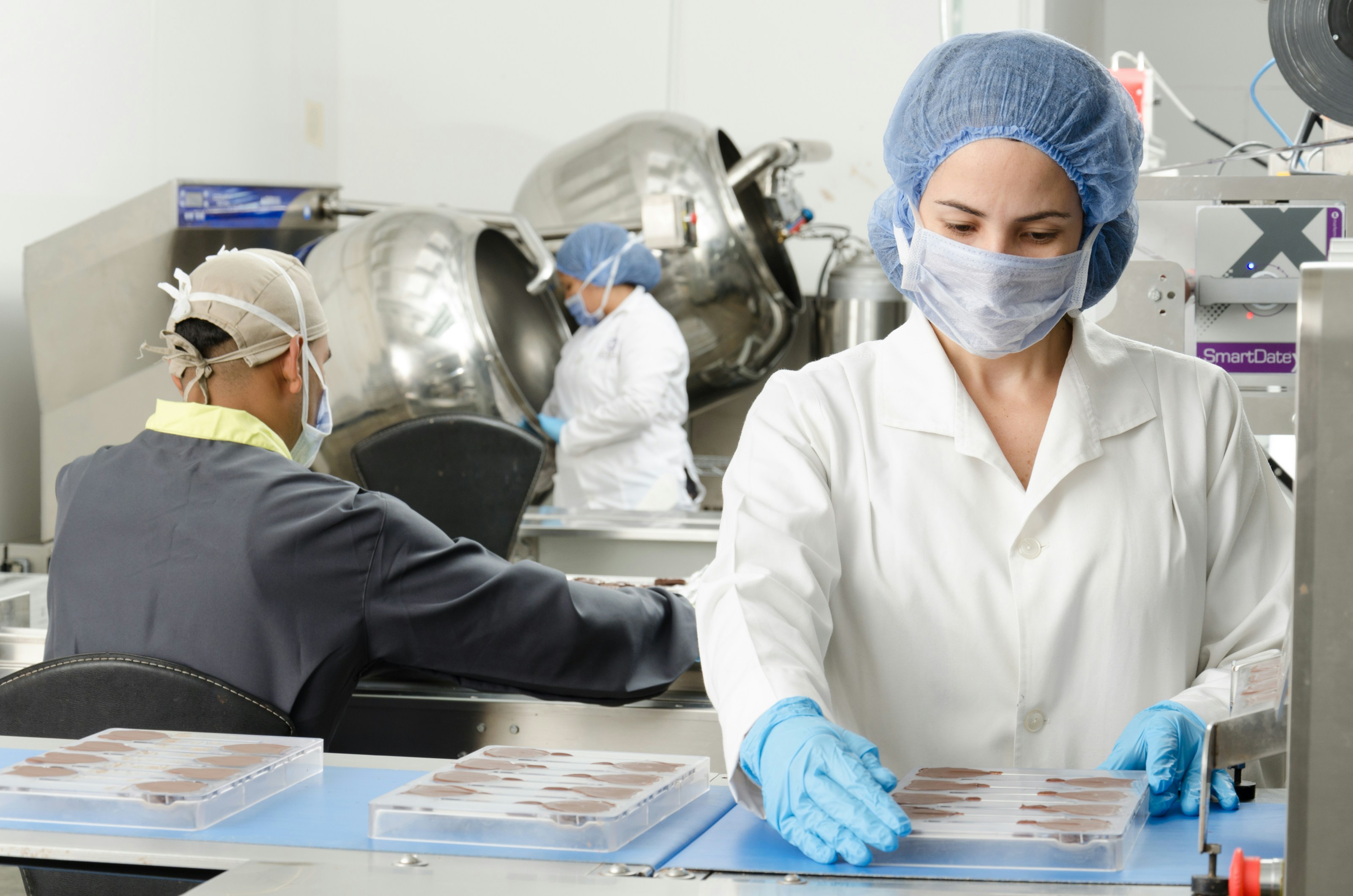
GMP & GHP — Good Manufacturing & Good Hygiene Practice
Good Manufacturing Practice and Good Hygiene Practice set the baseline requirements for facility design, equipment maintenance, staff hygiene and process control that any food, feed or related manufacturing operation is expected to meet.
Rather than a single hazard-focused system like HACCP, GMP/GHP covers the underlying operating conditions — premises layout, sanitation, pest control, personnel practices and equipment upkeep — that make hazard controls effective in the first place.
Most food safety schemes, from HACCP through to ISO 22000, FSSC 22000, BRC and GMP+ FSA, treat GMP/GHP as a prerequisite programme — so getting this foundation right makes every certification that follows easier to achieve.
Benefits of GMP Certification.
A solid GMP/GHP foundation makes every food safety certification that follows faster, cheaper and more durable to maintain.
A stronger foundation
GMP/GHP addresses the operating conditions that hazard-control systems like HACCP depend on — get this right and everything built on top of it holds up better.
Smoother path to higher-tier schemes
Since GMP/GHP is a prerequisite for ISO 22000, FSSC 22000, BRC and GMP+ FSA, addressing it early shortens the road to those certifications.
Fewer operational disruptions
Good facility hygiene and equipment upkeep reduce contamination risk, downtime and product recalls before they happen.